
Hyperpigmentation Treatment in Houston for Melanin-Rich Skin
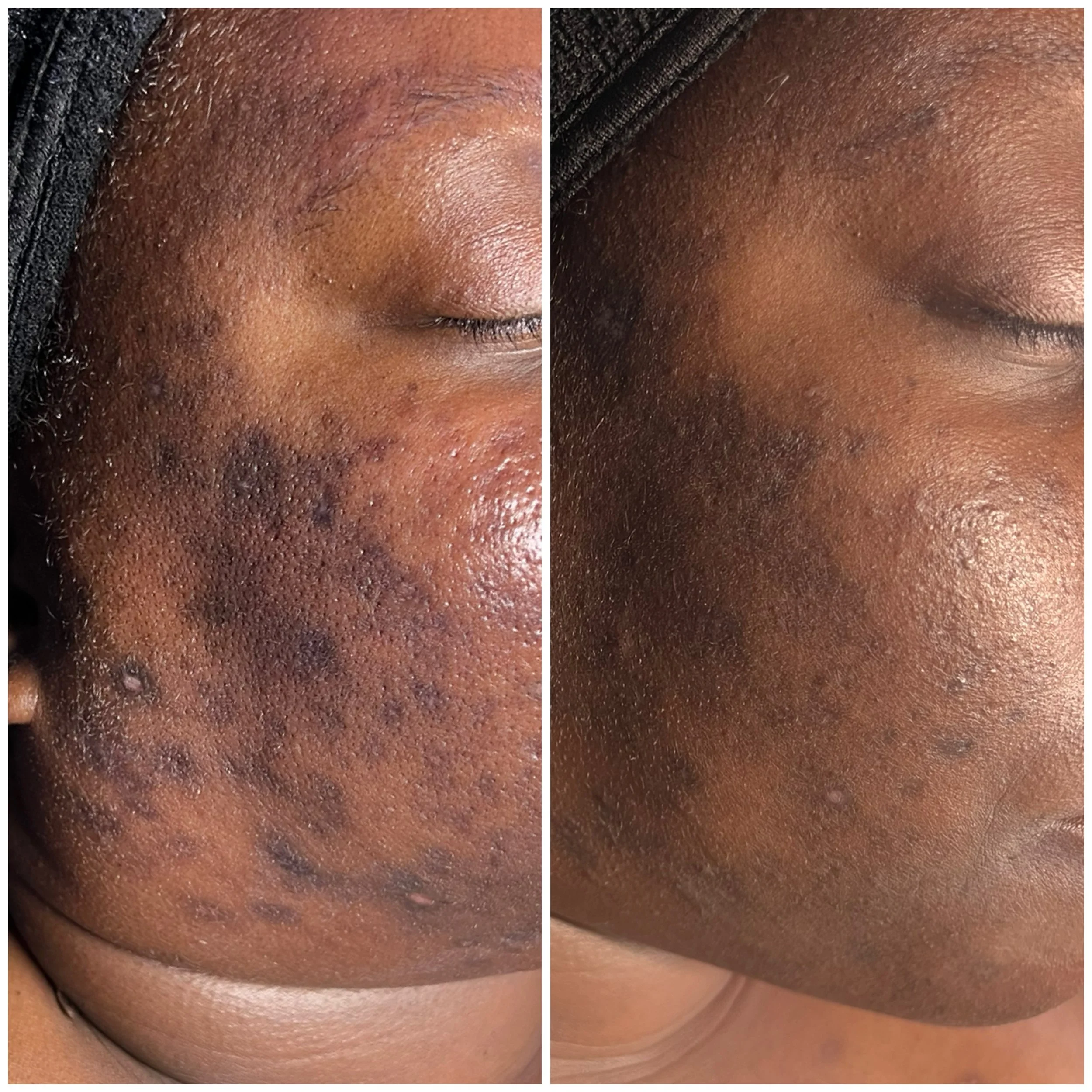
Hyperpigmentation is one of the most common skin concerns among Black and brown women in Houston. From acne marks and melasma to uneven tone and post-inflammatory dark spots, discoloration does not resolve with random products or aggressive treatments.
At Skynvy Houston, hyperpigmentation treatment is structured, strategic, and specifically designed for melanin-rich skin. Located in North Houston, Skynvy specializes in corrective skincare that prioritizes barrier integrity, inflammation control, and long-term pigment regulation.
This is not surface-level brightening. This is pigment correction.
What is hyperpigmentation
Hyperpigmentation is the overproduction or uneven distribution of melanin in the skin. Melanin is produced by melanocytes as a defense mechanism. When the skin experiences inflammation, UV exposure, hormonal shifts, or trauma, melanocytes increase activity. In melanin-rich skin, this response is stronger and more reactive.
The result is:
• Dark spots
• Uneven skin tone
• Acne marks
• Melasma patches
• Persistent discoloration
Hyperpigmentation is not “stubborn.” It is reactive. Treating it correctly requires understanding what triggered it.
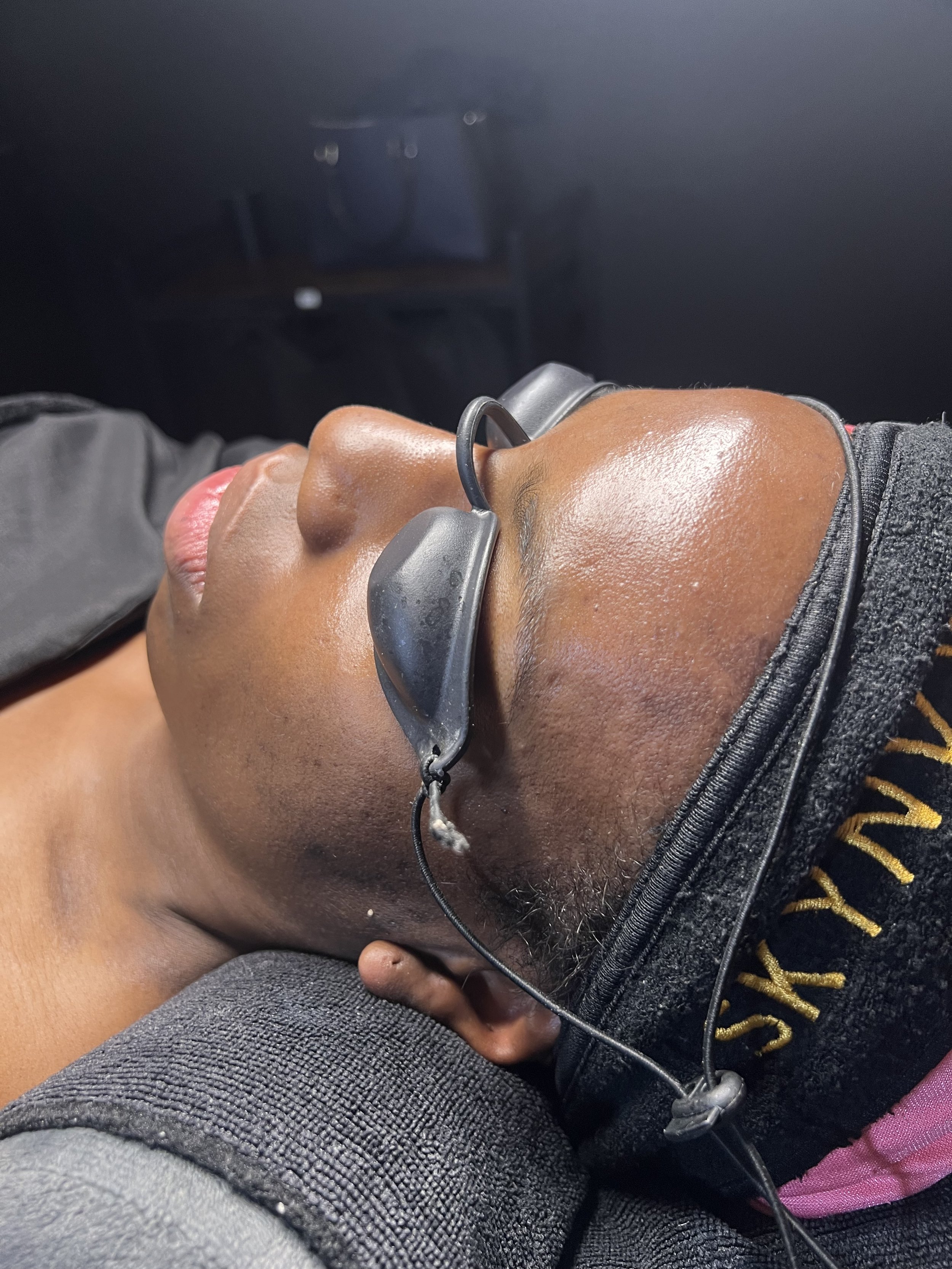
why hyperpigmentation is more persistent in melanin rich skin
Melanin-rich skin (Fitzpatrick IV–VI) contains larger and more active melanocytes. That means:
• Inflammation triggers pigment quickly
• Over-exfoliation worsens dark spots
• Aggressive peels increase PIH risk
• Improper microneedling depth causes rebound pigment
• Heat and visible light can worsen melasma
Corrective skincare for darker skin tones must be conservative, strategic, and inflammation-aware.
Many clients in Houston come in after trying aggressive treatments elsewhere that made their discoloration worse. The issue is rarely the ingredient alone. It is how and when it was used.
Types of hyperpigmentation skynvy treats in houston
Post-Inflammatory Hyperpigmentation (PIH)
This is the most common type we see at Skynvy Houston.
PIH occurs after:
• Acne
• Picking
• Waxing trauma
• Over-exfoliation
• Microneedling done improperly
• Harsh chemical peels
Inflammation triggers tyrosinase activity, increasing melanin production. If not controlled early, pigment becomes more difficult to fade.
Melasma
Melasma is hormonally influenced pigmentation often worsened by:
• Heat
• UV exposure
• Pregnancy
• Birth control
• Stress
It typically appears on:
• Cheeks
• Forehead
• Upper lip
• Jawline
Melasma requires careful, layered treatment. Over-treating melasma almost always leads to rebound pigmentation.
Sun-Induced Pigmentation (Solar Lentigines)
Houston sun exposure plays a major role in pigment formation. Chronic UV exposure stimulates melanocytes repeatedly, creating persistent dark patches over time.
Sunscreen is not optional in pigment correction.
Epidermal vs Dermal Hyperpigmentation
Pigment depth determines treatment strategy.
Epidermal pigment
• Sits closer to surface
• Responds well to chemical exfoliation
• Improves with tyrosinase inhibitors
Dermal pigment
• Deeper in skin
• Often requires microneedling
• Takes longer to fade
During consultation at Skynvy Houston, pigment depth is evaluated before choosing a treatment protocol.
Types of hyperpigmentation skynvy treats in houston
While pigment can form anywhere, Houston’s climate and lifestyle factors play a role.
Common triggers include:
• High UV index
• Humidity + heat exposure
• Inconsistent sunscreen use
• Hormonal changes
• Acne breakouts
• Picking or squeezing
• Incorrect layering of acids
• Combining treatments too aggressively
Inflammation is the core driver. Every correction strategy at Skynvy begins by reducing inflammation before increasing exfoliation.
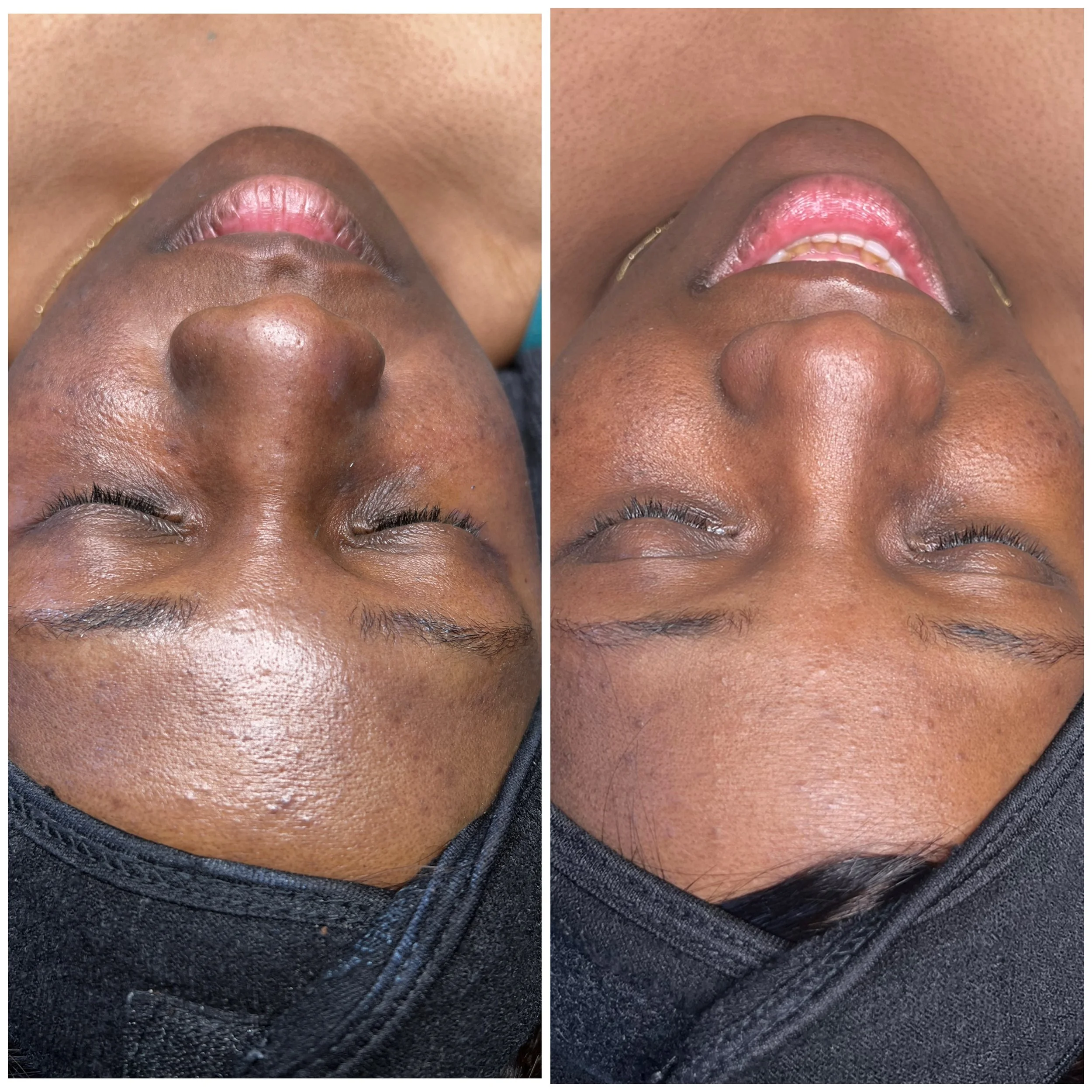
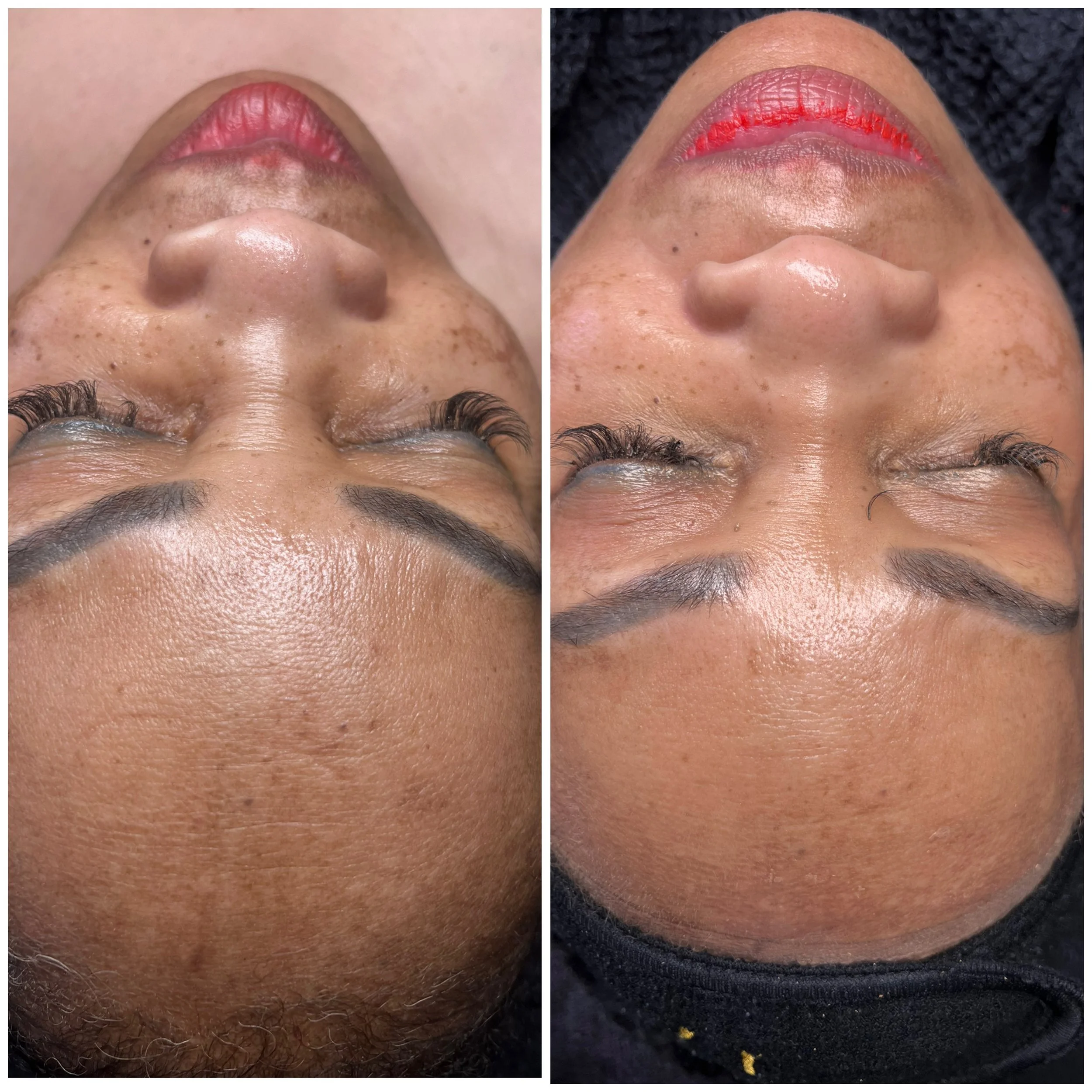
the skynvy houston approach to hyperpigmentation correction
Timeline varies.
Epidermal pigment:
6–12 weeks with consistent treatment.
Dermal pigment:
3–6+ months depending on severity.
Melasma:
Long-term management approach required.
Pigment correction is cumulative. Houston clients who commit to treatment plans see progressive, measurable improvement.
are chemical peels safe for black and brown skin?
Yes — when selected correctly.
Unsafe scenarios include:
• Peeling without prep
• High TCA percentages on first visit
• Layering acids without barrier support
• Combining peel + RF microneedling prematurely
At Skynvy Houston, peel strength and layering are adjusted based on melanin response, not trend-based protocols.
can microneedling make hyperpigmentation worse?
Improper technique can trigger PIH.
Safe microneedling requires:
• Conservative depth
• Proper prep
• Controlled passes
• Avoiding excessive trauma
• Monitoring scar thinning
Microneedling is not a one-size-fits-all solution for pigment.
preventing hyperpigmentation from returning
Correction without prevention leads to recurrence.
Prevention includes:
• Daily broad-spectrum SPF
• Visible light protection
• Avoiding aggressive exfoliation
• Consistent tyrosinase regulation
• Managing acne early
Houston heat and sun require disciplined protection.
why clients in north houston chose skynvy
• Specialized focus on hyperpigmentation in melanin-rich skin
• Nearly four years of clinical corrective experience
• Advanced training under a master esthetician and chemist specializing in skin of color
• Barrier-first approach
• Structured pigment programs
• Customized homecare planning
Skynvy Houston is located at:
505 N Sam Houston Pkwy
Suite 684
Houston, Texas 77060
Serving North Houston, Humble, Atascocita, and surrounding areas.
Your Questions, Answered-
Some superficial pigment fades slowly. Most persistent discoloration requires structured treatment.
-
Dermal pigment can linger long-term without correction, but improvement is achievable with consistency.
-
Controlled exfoliation combined with tyrosinase inhibition and daily SPF.
-
Yes. Without SPF, pigment correction reverses.
-
When performed conservatively and strategically, yes.
Book your hyperpigmentation consultation in houston
If you are ready to correct dark spots instead of covering them, schedule your consultation at Skynvy Houston.
Hyperpigmentation requires strategy, not aggression.